
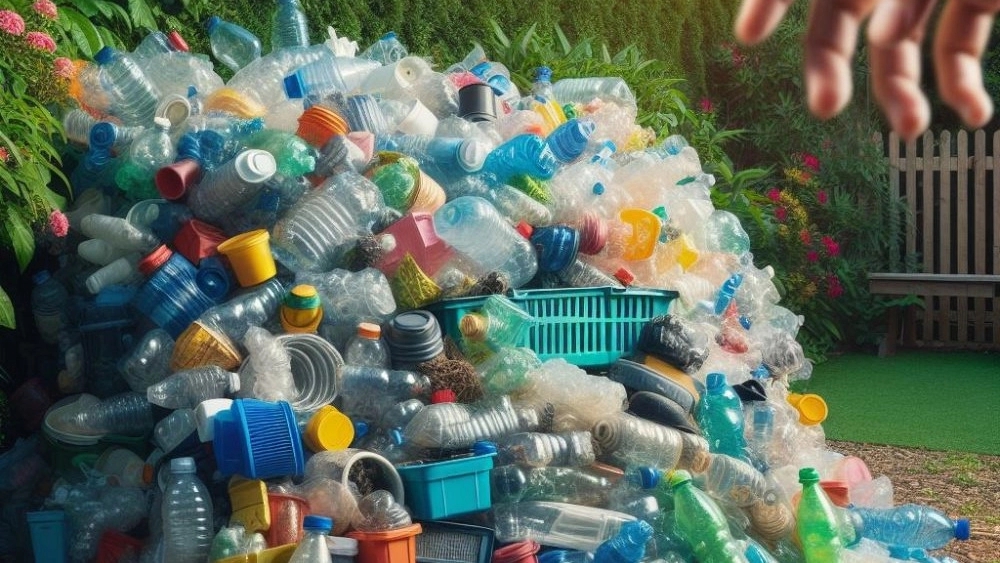
Linko Plast Company in Tehran, aware of the devastating effects of plastic waste on the environment and the community, in this article comprehensively to the question "Why not decompose plastic waste?" It responds and examines the process of decomposition, approximate times, different methods of analysis, and practical solutions to reduce pollution from industrial and consumer perspective.
What is Plastic Decomposition?
Plastic decomposition is a process in which plastic materials become smaller components or simpler compounds. This process can occur naturally (biological) or chemical. In natural decomposition, microorganisms, such as bacteria and fungi, play a key role and gradually break the polymer chains and turn into simpler molecules. In chemical decomposition, methods such as hydrolysis, oxidation, or pyrolysis (thermal decomposition) cause the chemical structure of the plastic. Linko Plast, as a manufacturer and supplier of plastic products, understands the importance of deep recognition of these processes in the design of sustainable products and recycling strategies.
Natural (Biological) Decomposition
In natural decomposition, bacteria and germs destroy the chemical bonds of polymers using enzymes. However, many common plastics (polyethylene, polypropylene, polystyrene, PET, etc.) have strong carbon chains and hydrophobic structures that make it difficult to access enzymes. Therefore, the decomposition rate is very low unless the plastic is made of special materials (eg PLA).
chemical and thermal decomposition
Methods such as hydrolysis (under the influence of water) and pyrolysis (heat without oxygen) can convert the polymers to smaller molecules or synthetic fuels. These methods are used on an industrial scale for chemical recycling and recovery of raw materials, and innovative companies such as Linko Plast can participate in the development of chemical recycling supply chain.
Why are the plastics decomposed late?
plastics are decomposed late due to the following chemical and physical properties:
- Chain structure and stable bonds that germs cannot easily break.
- The presence of additives and fillers that enhance the durability and stability. Appropriate temperature and microorganisms).
Duration of Plastic Types Duration in Nature
The duration of plastic breakdown is very variable and depends on the type of plastic and environmental conditions. Common tables show:
- Pet Plastic Bottles: Hundreds of years (up to 450-500 years depending on the conditions).
- Typical plastic bags: 50 to 1000 years in some estimates - typically about 100 to 500 years.
- Plastic containers abandoned in water: at least several centuries (some sources of about 400 years). (Microplasts): They remain in the form of fine particles forever and have no complete biodegradation.
These numbers are approximate. The actual time varies depending on temperature, sunlight (ultraviolet rays), moisture, type of microorganisms, and plastic chemical composition.
Plastic Recycling and Recycling Methods (Note in the Industry and for Consumer)
composting and decomposable plastics
Some biological polymers such as PLAs can be decomposed within months to several years. But these materials require special temperatures and conditions that are not available in ordinary burials. Linko Plast recommends that if you use visible plastics, ensure that there is an industrial compost supply chain (or correct recycling mechanism) for the end of the product life cycle.
decomposition by germs
New research can introduce bacteria or enzymes that are capable of destroying some plastics; But industrial implementation and scalability of this method are still under development. Linko Plast Follows Research and Development (R&D) for evaluating environmental materials and additives.
hydrolysis and chemical decomposition
methods such as hydrolysis, oxidation and pyrolysis can be used in chemical recycling factories as a solution to convert plastic waste into raw materials or synthetic fuels. Linko Plast collaborates with chemical recycling units to improve its recycling capability.
parsing under the influence of sunlight and oxidation
Sun UV rays fail the polymer chains at the plastic surface and gradually causes the plastic to fragile and crush the fine particles (the fatwax process). These particles then turn into microplasts, which they themselves create a new problem because they are in the environment and are easily swallowed by organisms.
The environmental effects of plastics (direct and company)
Plastic waste has extensive effects on the environment:
- direct threat to marine and land wildlife: tangle, suffocation and swallowing that lead to gastrointestinal obstruction and nutritional problems.
- The accumulation of pollutants on plastic particles: Plastic particles can attract stable organic contaminants (such Find biological.
- Impact on Human Health: Entering toxic compounds through food chain can be associated with problems such as endocrine disorders, cancer, neurological and other diseases.
Linko Plast thinks about reducing these effects in his environmental policies and focuses on consumer education and recyclable and sedentary products.
statistics and evidence of plastic pollution at sea
Studies show that a large part of plastic coastal waste is plastic and plastics are heavily accumulated in the seas and oceans. Some reports have shown:
- Three -quarters of the washed waste on the beaches are mostly plastic items.
- In some areas of the plastic density, it reaches several thousand pieces per square kilometer.
- In some parts of the ocean, the plastic surface is reported to hundreds of pieces per square kilometer or more.
Linko Plast Company proposes plans to reduce waste production and promote local and organized recycling.
What happens to nature in nature?
Plastic in nature is affected by several main factors: UV radiation, temperature, humidity, oxygen presence and microbial activity. These factors cause surface failure, fragility, and eventually crushing large parts into fine particles. But these microplasts themselves are a new problem because they enter the food chain easily and bacteria are not easily able to completely break down. In many cases, plastics remain in nature between 250 and 500 years or even more.
sample estimated times of disintegration of some waste
- Cigarette Filter: Approximately 2 years.
- Water -free plastic containers: at least a few centuries (some sources about 400 years).
- Plastic trash bag: almost half a century to hundreds of years (depending on the type and conditions).
These numbers are approximate and their aim is to show the extent of the time required for decomposition.
Practical Solutions and Recommendations to Reduce Plastic Consumption (for Consumer and Industry)
Linko Plast Company suggests that to reduce the negative effects of plastics on the environment:
- Use glass or metal containers instead of one consumption.
- Avoid plastic bag request when shopping; Use repeated fabric sack.
- Use non -plastic spoon and fork at work or car.
- Prefers wooden toys or products with stable materials.
- Food maintenance in glass or metal containers instead of plastic Products with glass or paper packing instead of plastic at any time possible.
From an industrial perspective, Linko Plast recommends:
- Design of Products with Easy Reconciliation Products for Recycling.
- Using Metarable Polymers and Reducing Harmful Additives.
- Participation in the local recycling chain and supporting chemical and mechanical recycling units
conclusion
Plastics generally decompose late due to chemical structure, additives and environmental conditions and can stay in nature for hundreds of years. It is one of the main causes of environmental pollution and threats to wildlife and human health. But with the coordinated measures at the industry and the consumer level - from better product design to changing everyday behaviors, the negative effects can be reduced. Linko Plast in Tehran is committed to developing products with environmental attitudes, recycling and information to the community about methods of reducing plastic consumption.